
Describe impacts concretely
People need to understand what changes in their tasks, decisions and collaboration. A change-impact assessment reveals differences between roles and prevents one generic message for very different situations.
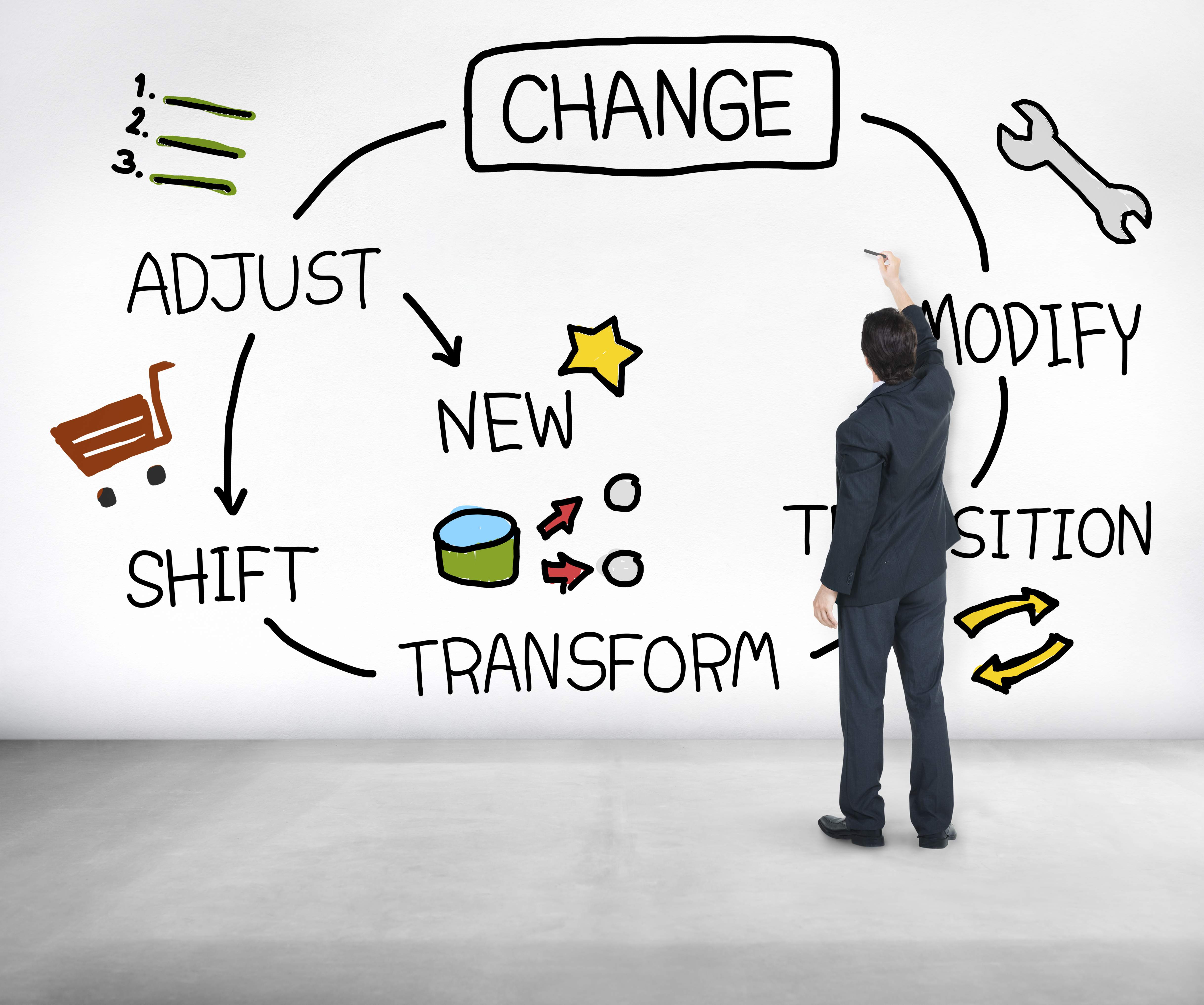
Change management
Change management creates the organisational conditions for new strategies, processes or systems to be used in practice. It centres on leadership, participation, enablement and visible decisions.
Direct answer
An effective approach clarifies the goal and impact, identifies affected groups, strengthens sponsors and leaders, plans communication and enablement, and measures actual adoption. Change management runs alongside delivery—not only shortly before go-live.
Practical guidance
People need to understand what changes in their tasks, decisions and collaboration. A change-impact assessment reveals differences between roles and prevents one generic message for very different situations.
Sponsors set direction and make visible decisions. Leaders translate change into daily work. Key users and affected employees identify risks and practical barriers early.
Training attendance is not adoption. What matters is whether new workflows are used correctly, old paths end and intended results appear. Evidence and feedback direct focused follow-up.
Frequently asked questions
Next step
Abexis connects change architecture with project leadership and concrete execution.
Discuss your change initiative