
Problem space
Understand & observe
Deeply understand customer needs, market dynamics and sales reality before designing solutions.

Go-to-market
When sales and marketing work against each other, target customers are unclear and processes depend on chance, revenue and market share are lost. We help you bring structure, focus and impact into your go-to-market work.
Sales creates direct customer relationships, qualifies opportunities and closes business. Its impact depends on clear target segments, structured processes and focused resources.
Marketing creates visibility, trust and demand. It positions the company, pre-qualifies prospects and gives sales the foundation for effective conversations.
Growth levers
Sales and marketing create impact on several levels. We help you set the right priorities and implement them consistently.
Request a consultationThinking frame
Before measures are defined, understanding comes first. We work in the problem space before moving into the solution space. That prevents expensive answers to the wrong questions.
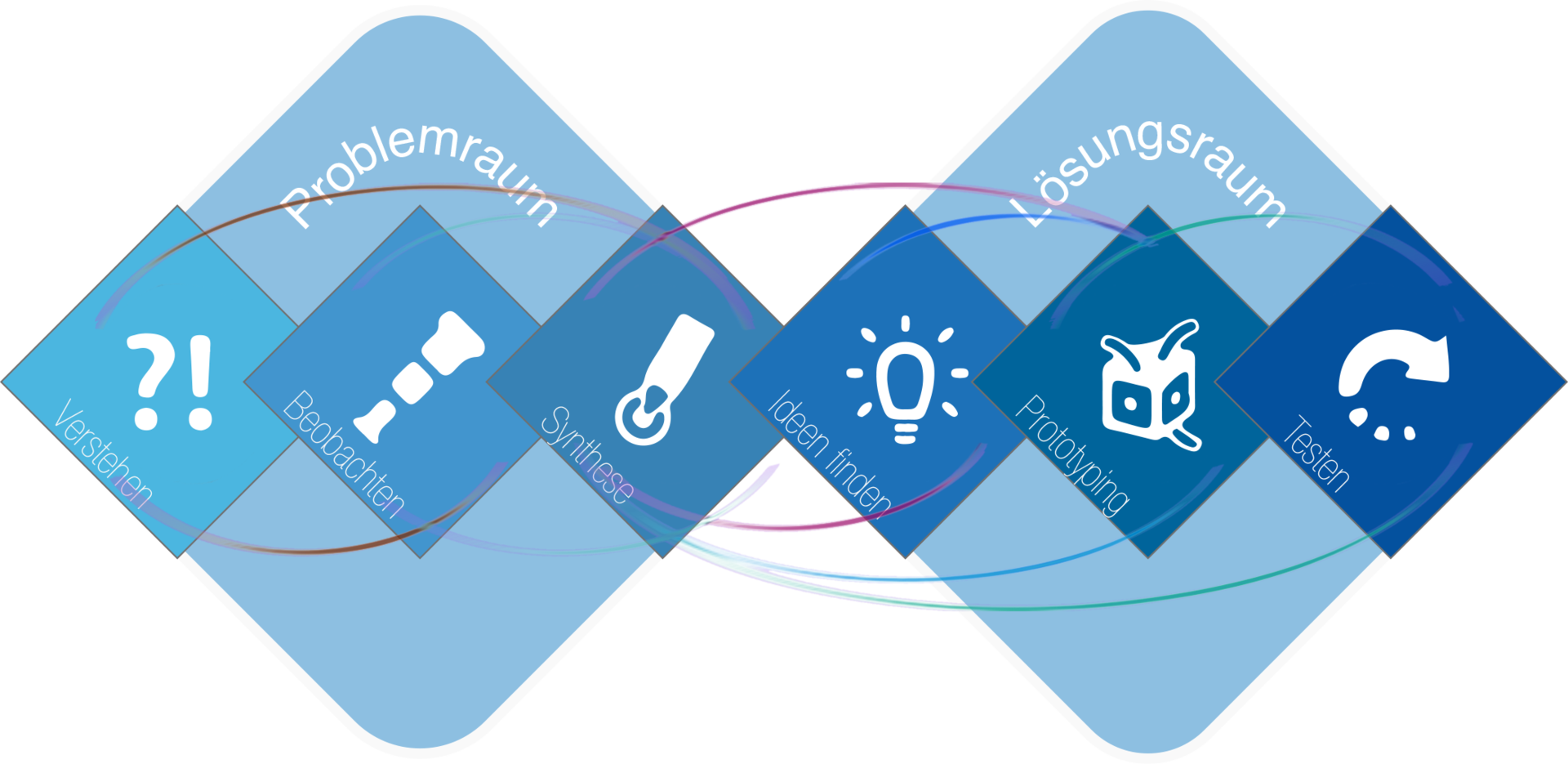
Problem space
Deeply understand customer needs, market dynamics and sales reality before designing solutions.
Synthesis
Condense insights, formulate hypotheses and separate the real levers from symptoms.
Solution space
Develop ideas in a structured way, prioritize and validate them in practice: iterative instead of all at once.
Principle
“Sales and marketing are not separate worlds. They are two sides of the same growth lever. Align them and you grow; separate them and you fight yourself.”
Abexis go-to-market principle
Approach
04 phasesEvery engagement begins with an honest assessment. Depending on the starting point, we work on focused levers or support a broader go-to-market setup.
Benefits
The effect is not only visible in revenue, but in how a company appears, grows and retains customers.
Non-binding conversation01
Clear strategy, better targeting and structured processes lead to more closed business.
02
Less scatter: the team focuses on the right customers with the right offer.
03
Consistent communication and true customer understanding strengthen loyalty.
04
Differentiated positioning makes you more visible and stronger in negotiations.
05
Reliable pipeline data and forecasts support better resource and investment decisions.
06
Documented processes and clear structures enable growth without losing quality.
07
Clear roles, good tools and regular coaching increase motivation and win rates.
08
Marketing and sales pull in the same direction: shared goals, shared language, shared impact.
Our role
Many companies have active sales teams and ongoing marketing measures, but growth still does not follow. We help identify the real levers and support implementation.
Typical starting situations
The team is busy, but revenue is not growing. Targets are missed without a clear reason. Diagnosis and realignment are needed.
Both functions work with different goals, language and metrics. That costs impact and energy that should be in the market.
Fast growth has outpaced structures. Processes, roles and steering need stabilization and scalable foundations.
Next step
In a free 30-minute introductory conversation, we clarify where sales and marketing stand today and where the biggest levers are.
Decision guide
B2B sales strategy for Swiss companies: align target customers, value proposition, sales process, steering and execution.